A tripped string
One string stops. The plant still produces, so nobody looks.
Know the moment a plant makes less than it should, and who is on it.
A plant that stops gets noticed, but a plant that makes a little less can go unseen for weeks.
One string stops. The plant still produces, so nobody looks.
Output slides a little every day. No single day looks wrong.
It drops out every afternoon and comes back. The daily total hides it.
GridMarshal compares each part of the plant with what it should make, so small losses show up while they are still small.
Alarm templates carry your rules across the fleet, with escalation built in.
Define an alarm once, with the condition that opens it.
Apply it to the plants and equipment it should watch.
The right person hears about it on the channel they use.
If it needs more attention, it moves up the chain you set.
Each solar inverter has an expected output, so you know when actual falls away from it.
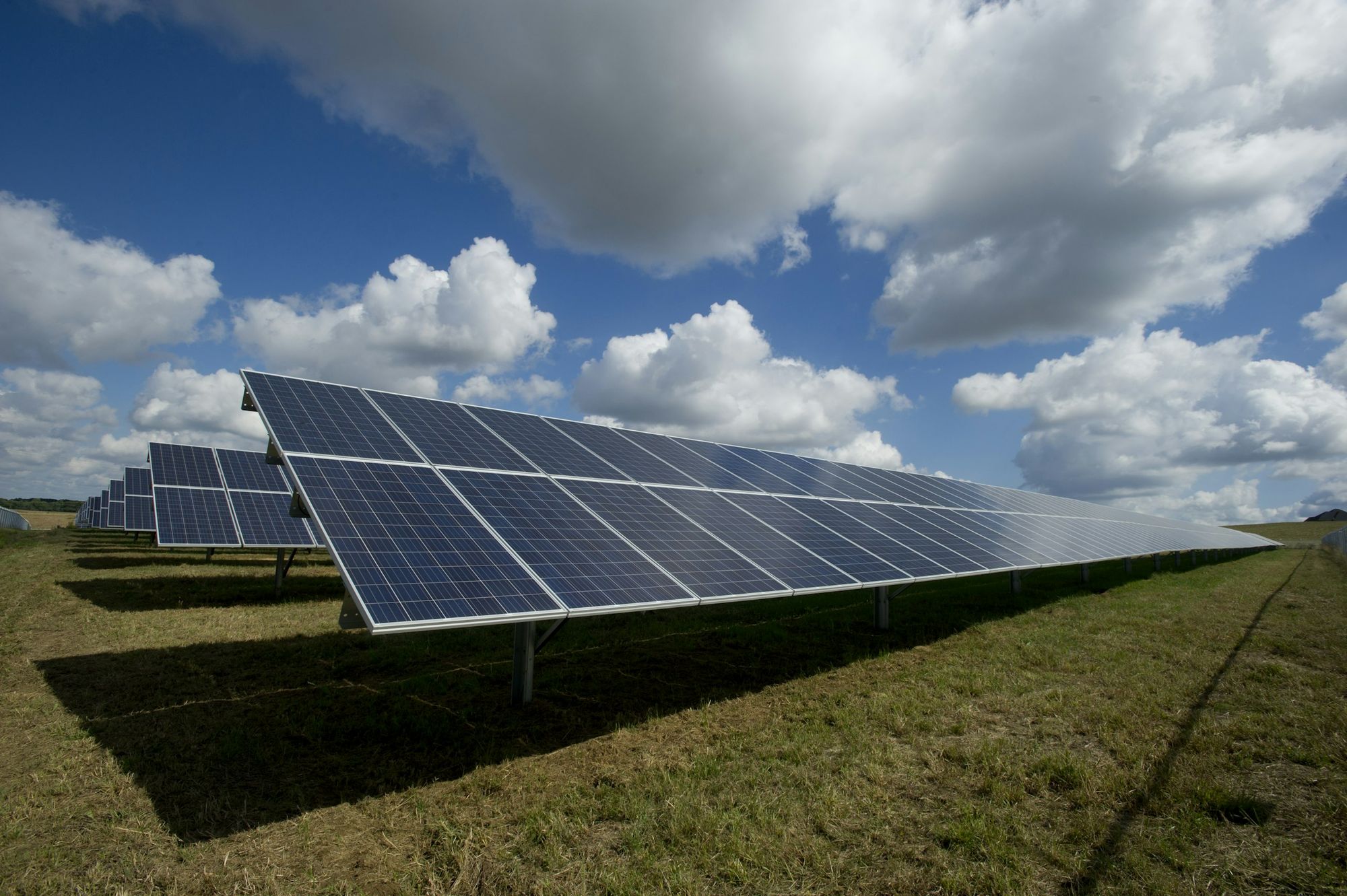
Strings on the same inverter see the same sun, so they should make about the same current.
Common causes a low string can point to.
When a plant stops sending data, you hear about it.
A logger goes quiet. A communication alarm opens.
A data problem is kept apart from a production problem, so the right person goes.
When the logger reconnects, missing history can be back-filled.
Each person gets alerts for the plants they are given, where they will see them.
A clear record in the inbox, with the plant and the alarm named.
Straight to the chat app your field team already uses.
From the GridMarshal phone app, on Android and iPhone.
The right person gets the right alert once, with what to do next.

What teams ask before they switch their alerts over.
Only people who are given that plant. Rules and escalation decide who hears about it first and who hears next.
A communication alarm opens. When the logger reconnects, missing history can be back-filled.
E-mail, Telegram and push notifications from the phone app.
Yes. An alarm can become a ticket with an owner, a workflow and the energy lost. Operations and maintenance
A walkthrough of alarms and expected output, with your own plants in mind.